Find the Movement Pattern Limiting Your Swimming
Performance analysis and movement evaluation for competitive swimmers. Identify the movement patterns responsible for recurring pain, technical breakdown, and performance plateaus. Schedule a Performance DiagnosticPain is the symptom.
The movement pattern is the cause.
Most swimmers spend months treating symptoms. The SwimDoc Performance Diagnostic identifies the movement pattern responsible before it costs another season.
The SwimDoc
The SwimDoc Performance Diagnostic identifies the movement patterns responsible for recurring pain, technical breakdown, and performance plateaus.
Serious swimmers train hard. The real challenge is building a body that can support that level of training.
Most swimmer injuries and performance plateaus happen when the body can no longer support the demands of training.
The SwimDoc identifies the breakdown pattern and helps swimmers build the strength, control, and durability needed to perform at a high level.
Who This Is For
Competitive swimmers
Parents seeking long-term solutions
Coaches who want durable athletes
Clinics and Team Education
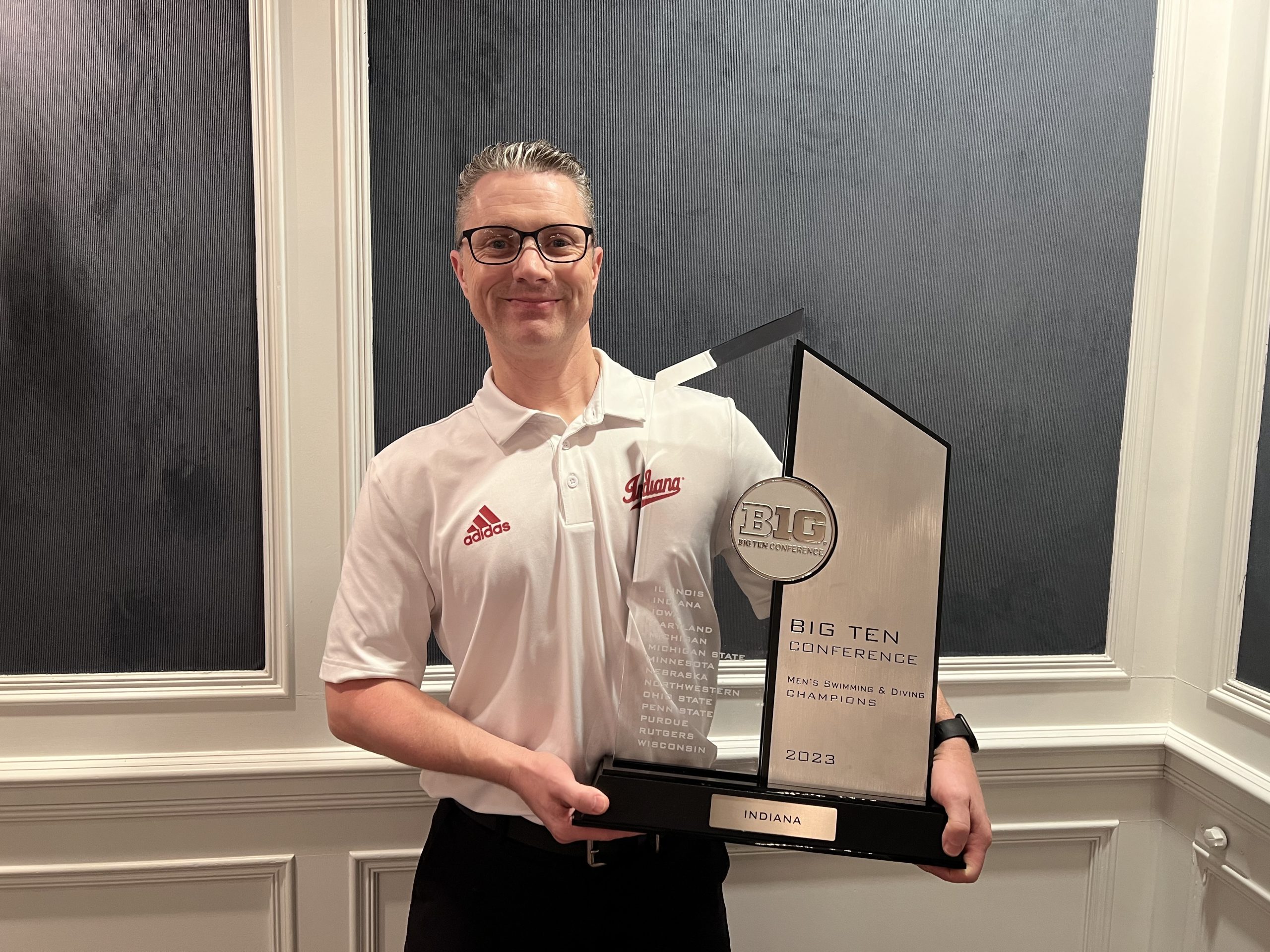
The SwimDoc regularly works with swim teams and training groups through on-deck clinics and movement screenings.
These sessions help swimmers and coaches better understand how body alignment, breathing mechanics, and movement patterns influence stroke efficiency and injury risk.
Clinics typically include:
- movement screening for swimmers
- explanation of common breakdown patterns
- dryland strategies that support stroke mechanics
- Q&A with swimmers, parents, and coaches
The goal is to help teams build swimmers who can handle the demands of training across an entire season.
The SwimDoc Performance System
The SwimDoc Performance System focuses on identifying breakdown patterns and building the durability Swimmers need to support high-level training.
Identify the breakdown pattern
Correct the movement problem
Build durability
Develop the physical capacity required to maintain technique under fatigue and competition pressure.
Why Swimmers Break Down
Swimming demands thousands of repetitive strokes each week, making efficient movement essential. When alignment, mobility, strength, or timing begin to break down, small compensations develop that can lead to pain, injury, or performance plateaus.
Common issues include poor body alignment, inefficient breathing mechanics, shoulder overload, loss of coordination between the kick, rotation, and pull, and training demands that exceed the body’s capacity.
The SwimDoc evaluation identifies these movement breakdowns and creates a plan to restore efficient technique, reduce injury risk, and build long-term durability.
What Makes This Different
- Swim-specific movement analysis
- Focus on root cause rather than symptoms
- Performance-driven care
- Education that helps swimmers and parents understand the process
Proudly Serving These Organizations




The System That Gets You There
Every athlete follows the same proven path. The starting point depends on where you are.
Phase 1- Pain Free
Address what’s limiting you before it becomes permanent. Identify root causes, not symptoms.
Phase 2- Control
Build the body awareness and movement quality that your stroke depends on. Land and water integrated.
Phase 3- Endurance
Sustain that control under volume, fatigue, and real training loads. Where most programs stop is where this one starts.
Phase 4- Performance
Express full speed and power with mechanics that hold under competition pressure. This is the goal.
Frequently Asked Questions
Who do you work with?
Competitive swimmers of all levels: age group athletes, high school and college swimmers, masters swimmers, and triathletes. If you’re dealing with chronic pain that hasn’t resolved with standard care, stroke breakdown under fatigue or speed, or a disconnect between your training and your results in the water, this is built for you. Parents of competitive swimmers are welcome to reach out on behalf of their athlete.
Is this traditional physical therapy?
No. Traditional PT is designed to restore basic function getting you back to daily life. This is performance-focused and swim-specific. The goal isn’t just pain-free living. It’s pain-free swimming at full speed, under load, with stroke mechanics that hold under competition pressure. Every evaluation, every exercise, and every cue is built around what your body actually does in the water.
Do you work virtually?
Yes. Virtual sessions are available for athletes outside the Chicago area and work well for video analysis, movement coaching, and follow-up programming. In-person sessions allow for hands-on evaluation and in-water assessment. Most athletes start with an in-person evaluation if geography allows, then continue virtually.
How many sessions are needed?
That depends entirely on what the evaluation finds. Some athletes need two or three focused sessions to correct a specific pattern. Others benefit from an ongoing relationship through a training season. What won’t happen is an open-ended treatment plan with no clear direction. After your evaluation you’ll know exactly what we’re addressing, in what order, and roughly how long it takes.
Do you work with coaches?
Yes, and it’s encouraged. Coaches who understand what’s limiting their athletes physically can make better decisions about training load, technique focus, and race preparation. Consultation is available for individual coaches and club teams.
Is this covered by insurance?
No. Insurance doesn’t recognize swim performance rehab as medically necessary for activities of daily living which means it also can’t dictate how it’s delivered or how long it takes. Private pay means the focus stays entirely on your athlete’s performance, not on what a billing code allows.